Where it started: The Law in 60 Seconds in The Guardian


Long before there was a book, or a podcast, or this website, there was a young lawyer with a camera and a simple idea: if people are busy, explain the law to them in a minute.
In September 2018, The Guardian's legal affairs correspondent Owen Bowcott wrote about that idea in a piece called Want to know your rights but only have 60 seconds? It was one of the first times a national newspaper picked up on what Christian was doing, and we think it's worth looking back on, because the reasons behind TL60 haven't really changed since.
What the feature was about
At the time, Christian was 24. He'd studied at Nottingham Law School, trained to be a barrister, and was working at Inquest, a charity that supports bereaved families at inquests. He had a pupillage (the final stage of training to become a barrister) lined up at a human rights chambers for the following year.
Alongside that, he'd started posting short videos to YouTube, each one explaining a bit of the law in about 60 seconds. The first was on stop and search. Later ones covered tenants' rights and consumer rights.
The article explains why he chose those topics. Stop and search came first because of rising street violence in London and in his home city of Nottingham, and because people often aren't sure how to act when they're stopped by the police. Tenants' rights came from his student days, when a lot of his friends felt they'd been treated unfairly by landlords.
Why 60 seconds?
The short format was the whole point. Christian told The Guardian that people often see the law as too difficult to get into, and that calling it "The Law in 60 Seconds" lets them know from the start it won't take long.
Underneath that was something more serious. He spoke about how unfair it is that someone's rights can go unprotected simply because they can't afford a lawyer. That idea is still at the heart of everything we do.
What others said
The feature also included responses from two organisations. The Bar Council (which represents barristers in England and Wales) welcomed the idea, describing bite-sized information as a good starting point, as long as people know they may still need proper advice for their own situation. We agree, and it's why every TL60 piece still says so.
The Equality and Human Rights Commission said that knowing your rights is a necessary step towards the law working the way Parliament intended, and that it would be interested in working with Christian.
Where it went from here
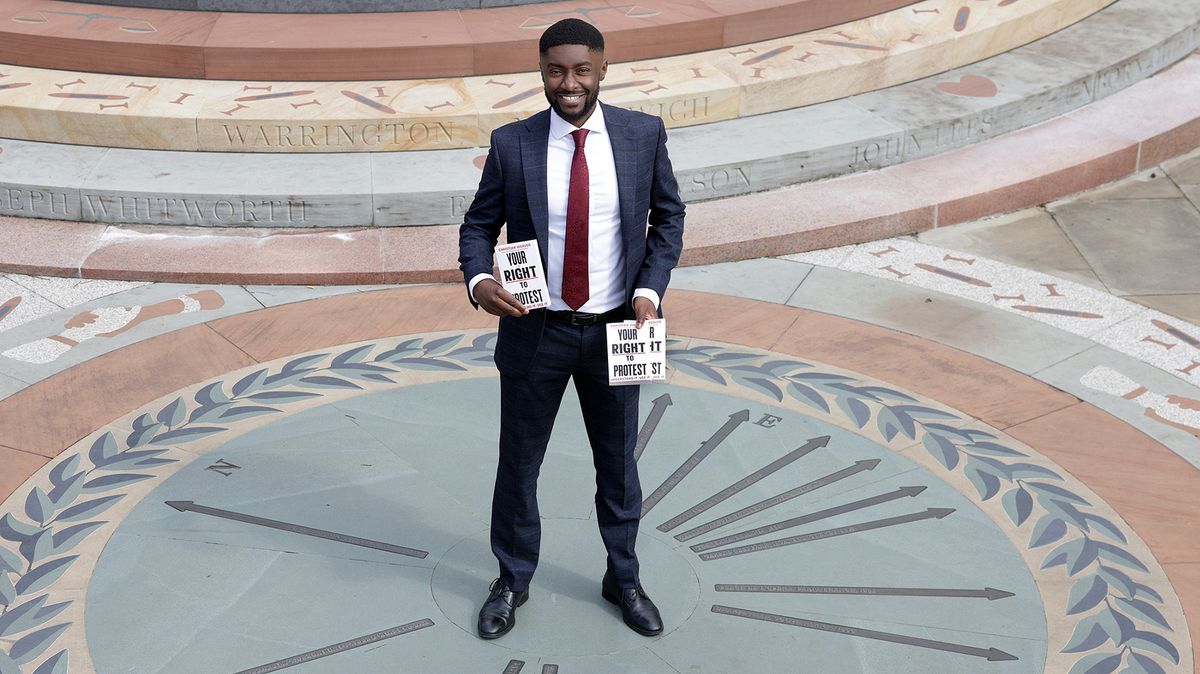
Some schools told Christian back then that they'd use the videos in lessons. Those early clips grew into a much bigger audience, then into The Law in 60 Seconds book, and now into this platform. The format has grown, but the aim is the same one he described in 2018: plain English, on the side of the person with less power, and quick enough to fit into a busy day.
You can read the full Guardian article here.
This is general information, not legal advice. If a deadline's coming up or your situation's complicated, get advice.
Source: Owen Bowcott, "Want to know your rights but only have 60 seconds?", The Guardian, 21 September 2018.

Comments